
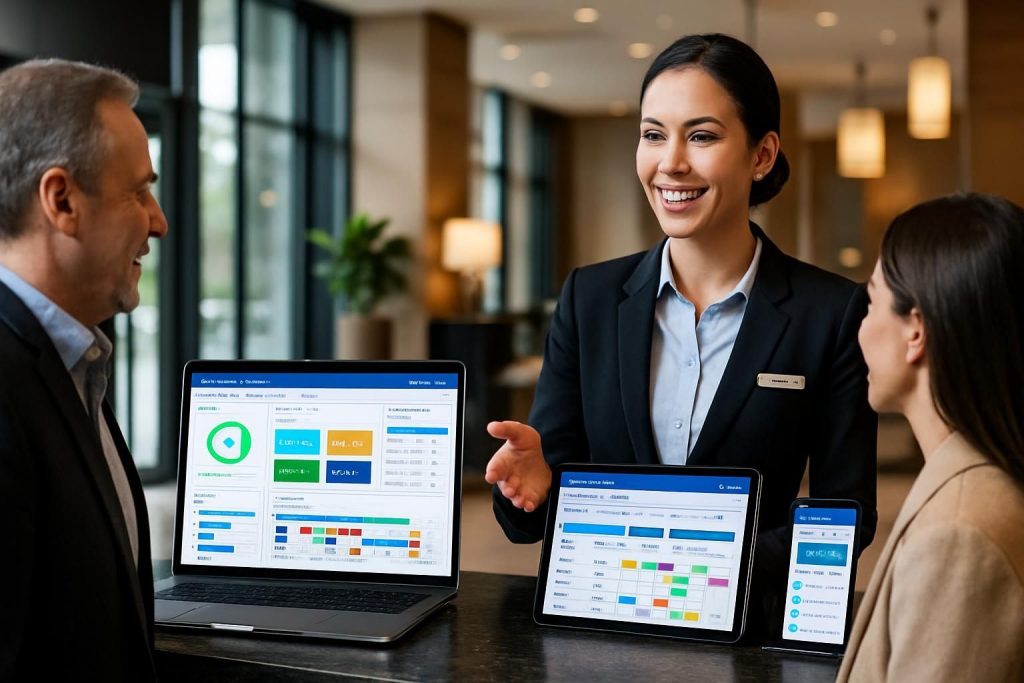
Key Insights at a Glance
Cloudbeds combines booking, channel, and property management in a unified, user-friendly cloud platform suited for all types of accommodations.
Automation and robust reporting tools simplify daily operations, empowering hospitality teams to focus on guest experiences.
Responsive customer support, intuitive interface, and scalability make Cloudbeds a relevant choice for properties of any size, from boutique hotels to large operations.
Pricing structure includes tiered plans with clear details on potential extra costs, delivering value balanced with flexibility.
Designed for professionals, Cloudbeds adapts to the evolving demands of the hospitality sector in 2026 and beyond.
The hospitality industry is evolving rapidly, with accommodation providers seeking integrated tech solutions that not only streamline operations but also empower staff and elevate the guest experience. In this context, Cloudbeds stands out as an all-in-one management platform, promising to unify reservation management, channel connectivity, and property administration in a single digital hub. Systems like this are increasingly essential in today’s fragmented booking landscape—think hoteliers juggling OTAs, direct sales, and walk-ins—all without sacrificing accuracy or speed. Cloudbeds addresses these modern challenges by offering an interface and features designed for the day-to-day realities of hotels, hostels, and vacation rentals. But what truly sets it apart, especially as 2026 redefines travel and guest expectations, is its mix of automation, real-time reporting, and scalable design meant to empower both the boutique host and multinational operator. This review explores each layer of the Cloudbeds platform, uncovering its tangible benefits, underlying technology, and the nuanced experience it delivers to the contemporary hospitality professional.
Comprehensive Review of Cloudbeds Hospitality Management Platform
In-Depth Analysis of Cloudbeds Key Features and Integration
Cloudbeds was built to unify fragmented hospitality systems, seamlessly bundling booking engine, channel manager, and property management tools into a single interface. For managers like Mia, overseeing a chain of mid-sized urban hotels, this integration cuts through the confusion of disparate legacy solutions. The platform’s backbone lies in its robust real-time synchronization: inventory updates made in one interface reflect instantly across all connected distribution channels, eliminating the dreaded risk of double-bookings.
Equally vital is the depth of Cloudbeds’ integration capabilities. Whether connecting with global OTAs, payment gateways, or third-party housekeeping apps, the platform enables hospitality teams to tailor workflows to their specific operation. In practical usage, a vacation rental owner can automate communications and payment processing, while a 100-room city hotel leverages Cloudbeds’ analytics to optimize pricing daily. Such flexibility translates into measurable gains—streamlined reservations, reduced manual entry, and improved guest response times.
Streamlining Booking, Channel, and Property Management with Cloudbeds
The core appeal of Cloudbeds is in its intuitive reservation calendar and centralized dashboard. These features allow staff to monitor bookings across multiple channels—direct, OTA, or corporate—with a single glance. For example, independent hostel managers dealing with last-minute group bookings and late-night walk-ins save considerable time as Cloudbeds handles availability updates and distributes inventory seamlessly.
A standout characteristic is the way Cloudbeds manages rate and restriction plans, making it possible to set different occupancy rules or promotional rates by channel or period. This degree of control is vital for operations affected by seasonality or local events: a ski lodge can set higher weekend rates while offering discounts for extended midweek stays without risking mistakes or inconsistencies. With these capabilities, Cloudbeds turns complex channel management into a series of logical, easily navigable steps.
Feature | Benefit | Ideal For |
|---|---|---|
Unified Booking Calendar | See and manage all reservations from one platform | Hotels, Hostels, Rentals |
Automated Channel Manager | Update rates/inventory across sales channels in real time | Multi-channel properties |
Customizable Rate Plans | Set and automate pricing by date, channel, or segment | Seasonal businesses |
Automation and Reporting Tools Enhancing Operational Efficiency
A defining strength of Cloudbeds is its extensive automation suite. For property managers, these tools reduce repetitive administrative work, from automatic guest messaging to scheduled housekeeping updates and invoice generation. In real-world scenarios, a small B&B owner can automate payment reminders, while larger chains roll out brand-wide guest satisfaction surveys post-checkout.
The reporting toolkit is equally transformative. Cloudbeds provides a wide span of operational and financial reports—from room occupancy patterns to detailed revenue breakdowns. These dashboards empower decision-makers to spot trends, forecast demand, and quickly access data needed for strategic planning. Combined, these automation and analytics features ensure that managers spend less time on paperwork and more on personalizing service or growing revenue streams.
Cloudbeds Features & Benefits Comparison
| Feature | Description | Operational Impact |
|---|
Evaluating User Experience and Interface Design on Cloudbeds Platform
Navigating Cloudbeds: Interface Usability and Design Appeal
Cloudbeds prides itself on its user-centric interface. From the initial login, users find a dashboard with color-coded reservations, at-a-glance occupancy stats, and easy access to common tasks. For those new to hospitality management software, the clean design reduces onboarding friction. Veteran managers, meanwhile, benefit from shortcuts and custom views that help them address daily priorities. Case in point: Thabo, a vacation rental owner, can process bookings and schedule maintenance with only a handful of clicks, even during peak season.
Cloudbeds leverages consistent design language and predictable layouts, which means that as properties grow and staff turnover occurs, training times remain short. This commitment to design makes it possible for diverse teams—often multilingual and transient in the hospitality industry—to build confidence quickly using the system.
User-Friendly Layout Tailored for Hospitality Professionals
A key differentiator is the hospitality-specific dashboard. Functions most relevant to front desk teams, like check-in flows, are prioritized. Tim, managing a 30-room resort, notes how quickly new hires adapt to the drag-and-drop room assignment and how instant notifications allow seamless management of early check-ins or special guest requests.
The menu categorization reflects typical hotel department structures, ensuring that sales, housekeeping, and administration staff each see the tools most relevant to their roles.
Hotkeys and workflow automations mean tasks that once took hours—such as bulk rate changes or group bookings—are accomplished in minutes.
Accessibility and Intuitive Navigation for Efficient Workflow
Cloudbeds emphasizes accessible design for users on the go. The mobile-responsive interface ensures managers can approve bookings, view analytics, or communicate with staff from tablets or smartphones, a necessity for multi-location operators or managers who frequently travel between properties. The consistent navigation reduces the likelihood of errors, as users can always return to the main dashboard with a single tap—important in high-pressure hospitality environments.
Accessibility standards are also observed in visual contrast and text scaling, supporting use by employees with different abilities or in varied lighting situations. By building for real-world conditions, Cloudbeds maintains efficiency even as operational complexity rises.
Customer Support Effectiveness and Responsiveness
Support is a crucial differentiator for hospitality technology, where downtime or confusion can impact guest experiences. Cloudbeds delivers a multi-channel support model, offering live chat, email, and a knowledge base. Real user feedback, such as from Olivia, who manages a boutique seaside hotel, highlights the platform’s swift responses: mid-evening technical questions are answered within minutes, which is essential during peak check-in hours.
Support Channel | Availability | Average Response Time |
|---|---|---|
Live Chat | 24/7 | Under 10 minutes |
Business Hours | 2-6 hours | |
Help Center | 24/7 | Instant search, self-serve |
Analyzing Cloudbeds’ Support Quality Based on User Feedback
User reviews consistently mention the proactive attitude of Cloudbeds’ support agents and the clarity of responses. For teams without dedicated IT specialists, the ability to resolve both technical and usability queries quickly is decisive. However, larger operators sometimes note delays during global events or updates, suggesting opportunities for even more robust triage systems.
Availability and Responsiveness: Meeting User Needs
Beyond availability, Cloudbeds invests in personalized onboarding and regular account health checks—features appreciated by both new and established accounts. In real terms, this means when Lily’s hostel expanded with new dorms, Cloudbeds support provided migration guides tailored to her property’s needs, reducing transition friction. However, support resources can become stretched during high-demand periods, signaling the need for continued scale in their service team.
Scalability and Flexibility of Cloudbeds for Various Property Sizes
Adapting Cloudbeds to Small, Medium, and Large Accommodation Businesses
One of Cloudbeds’ most notable virtues is its scalability. For independent hosts, setup is deliberately simple: minimal configuration, with core features ready from day one. Mid-sized hotels leverage tiered permissions, group booking engines, and advanced inventory controls. For enterprise-level operators overseeing dozens of properties, Cloudbeds offers multi-property dashboards, bulk upload tools, and extensive integration APIs.
This layered design means a micro-hotel can use only what it needs, while groups with diverse portfolios can standardize processes, reporting, and key business rules globally. The system grows with the business—properties can add new modules as needed without costly IT overhauls.
Flexible Features Catering to Diverse Hospitality Sectors
Cloudbeds supports not just traditional hotels, but also hostels, vacation rentals, and alternative accommodations such as serviced apartments. Each sector benefits from industry-specific features: shared room management for hostels, group and package booking for resorts, and automated payment collection for vacation rentals.
For instance, Sarah, who manages a group of eco-lodges, leverages the customizable guest CRM to tailor communication by guest profile, resulting in improved review scores and repeat bookings. The system’s open API further allows custom integrations unique to niche operators.
Easy add-on modules for payment gateways and guest engagement.
Direct integration with channel management providers.
Custom report builders for unique KPI tracking.
Limitations and Adaptability in Different Business Scenarios
Despite its range, some users find advanced configuration can be time-consuming during initial setup, especially for large-scale operators merging legacy data. While Cloudbeds covers most mainstream needs, highly specialized properties may require additional customization or integrations.
The platform’s adaptability, coupled with regular feature updates based on industry trends and user input, ensures limitations are addressed proactively. As hospitality needs shift—such as increased guest self-service or flexible cancellation policies—Cloudbeds has demonstrated its willingness to evolve alongside its customers.
Pricing Transparency and Market Position of Cloudbeds Software
Assessing Cloudbeds Value for Money and Pricing Models
Cloudbeds adopts a tiered pricing model, aiming for transparency with clear distinctions between basic, advanced, and enterprise plans. Entry-level packages give smaller properties access to essential features like reservations and channel management, while higher tiers add modules such as advanced reporting, API access, and custom branding. For example, a small city inn can start with a lower-cost plan, then upgrade as business grows, ensuring scalability doesn’t mean unpredictable expenses.
Some users have flagged the need for close scrutiny of add-on costs, such as premium integrations or SMS automation. For operators planning high volume or complex setups, budgeting for these extras is vital. However, the overall structure enables clear cost-benefit analysis pre-purchase.
Understanding Tiered Plans and Additional Costs
Pricing transparency is supported by detailed quotes before onboarding, with optional add-ons listed separately. Typical extras cover payment gateway connections, additional users, or customized training. This openness is appreciated by finance-savvy GMs who seek full control over operational costs.
A hypothetical owner, Max, planning to expand from a single boarding house to a network of short-stay apartments, can compare plan features and forecast spending without fear of hidden fees.
Comparative Contextualization Without Direct Competitor Naming
Within a crowded market of hospitality management systems, Cloudbeds distinguishes itself by balancing ease of use and comprehensive features with a pricing model that fits a variety of business sizes. Where some solutions offer à la carte features or complicated contracts, Cloudbeds’ transparent, modular approach enables properties to align expenditure with genuine business need.
Feedback from industry forums and property managers suggests that, while not always the absolute cheapest, Cloudbeds delivers robust value through its deep integration potential and continual rollout of new capabilities, which is often cited as a deciding factor for loyalty.
How easy is it to migrate to Cloudbeds from another PMS?
Migration to Cloudbeds is generally straightforward for most properties, with data import tools and personalized onboarding support. However, for very large or highly customized setups, planning and phased transitions are advised to ensure legacy data is correctly adapted.
Can Cloudbeds be used by both hotels and vacation rentals?
Yes, Cloudbeds is designed for versatility, serving hotels, hostels, B&Bs, vacation rentals, and even alternative accommodation types through modular features and customizable workflows.
What kind of customer support does Cloudbeds offer?
Cloudbeds provides 24/7 live chat, email support, and an extensive help center. Personalized onboarding and regular account check-ins are included in certain plans, ensuring tailored assistance for each property.
Are there any hidden costs with Cloudbeds plans?
Pricing is transparent, with clear details on standard features and paid add-ons such as payment gateways or SMS integrations. It is recommended that users review the quote and forecast needs before committing.
Can Cloudbeds integrate with third-party applications?
Cloudbeds offers a robust API and many built-in integrations with leading OTAs, payment processors, and specialist hospitality apps, making it adaptable for unique operational requirements.