
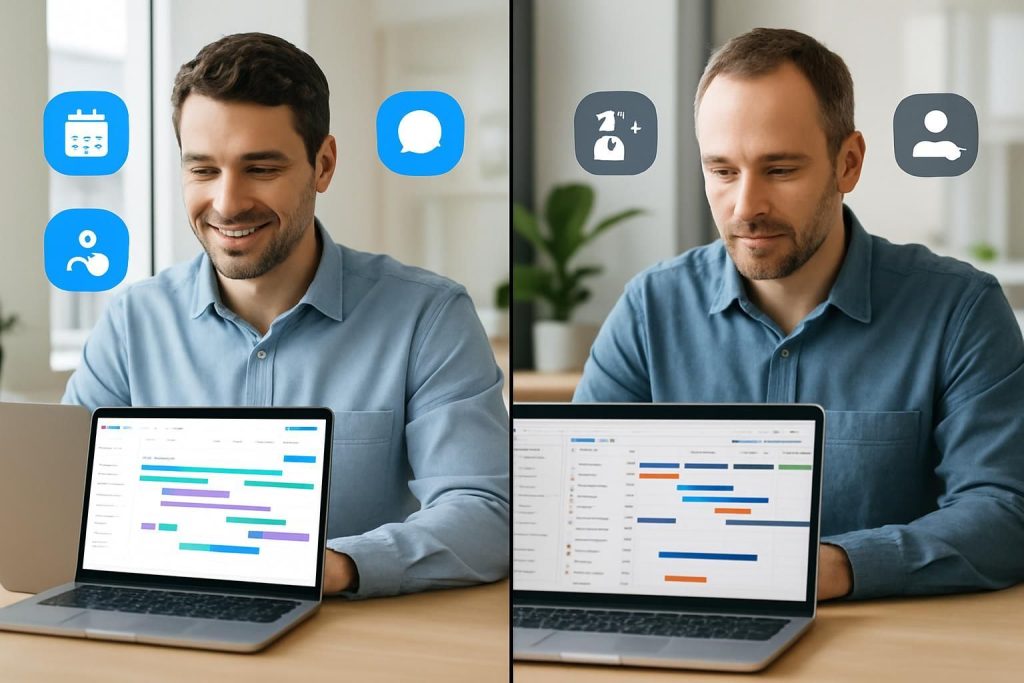
In today’s short-term rental landscape, automation and AI are redefining property management for everyone from single Airbnb hosts to multi-property managers seeking to scale. Hospitable and iGMS lead the charge by offering robust solutions aimed at streamlining daily operations, enhancing guest communication, and maximizing profits. While both platforms tout integration with major OTAs such as Airbnb, Vrbo, and Booking.com, each targets a different user base and brings unique strengths to the table.
Modern hosts like Sara, managing twelve units across Europe, seek seamless automation to free up time and minimize manual interventions. Property managers overseeing expansive portfolios are drawn to platforms like Hospitable for advanced AI features, while individual hosts like Ben, who let out a family cottage seasonally, lean on iGMS for its approachable free plan and essential automation tools. As automation technology evolves in 2026, discerning platform strengths has become crucial for hosts and managers eager to make informed, future-proof decisions that align with their ambitions, team size, and operational complexity.
At a glance:
Hospitable: Targets multi-property managers and growth-oriented hosts with advanced AI automation, in-built dynamic pricing, and robust owner/financial tools.
iGMS: Caters to individual hosts and small portfolios, emphasizing simplicity, essential automation, and attractive free plan options.
Both platforms support Airbnb, Vrbo, Booking.com, with Hospitable uniquely offering Agoda integration.
Automation capabilities set Hospitable apart with AI-driven messaging, auto-reply, AI-generated reviews, and upselling vacant nights.
Pricing structures reflect portfolio size: iGMS’s free plan for up to four properties vs. Hospitable’s feature unlocks at mid-tier pricing.
Hospitable consistently scores higher in user satisfaction, implementation, and support metrics on G2 and Capterra.
Operational needs, automation depth, and financial management tools are critical decision points.
Hospitable vs iGMS: Target Users and Ideal Customer Profiles
Comparing Individual Hosts and Small Portfolios with Larger Property Managers
User intent has a direct impact on the choice of property management software, especially in a dynamic market like short-term rental. iGMS typically attracts individual hosts and owners with up to four properties, thanks to its free plan and immediate onboarding. For example, an owner managing two seasonal Beachfront Airbnbs can tap into iGMS’s multi-calendar sync and guest messaging without upfront costs or steep learning curves.
On the other hand, Hospitable is designed for property managers and tech-forward hosts handling multiple units or looking to scale. Sara’s hypothetical agency, managing a varied portfolio across several cities, benefits from automation that handles complex workflows, sophisticated AI for messaging, dynamic pricing, and deeper integrations for financial oversight and operational reporting.
User Base and Portfolio Size Differences
When looking at user base, Hospitable stands out for teams managing 5 to several hundred properties, including those working across multiple OTAs and structures—distributed teams, revenue managers, and virtual assistants. iGMS targets hands-on hosts managing up to 20 units, shining brightest with portfolios under five properties. For larger portfolios, iGMS’s manual steps and capped automation can limit rapid growth and efficiency.
Operational Complexity and Automation Needs
The degree of operational complexity guiding your software choice is clear. Hospitable excels where automation is essential—think automated scheduling, AI-powered guest communication, smart device integrations, and granular financial control. Property managers responding to back-to-back bookings and fluctuating rates need sophisticated solutions. iGMS’s essentials are ideal for hosts who can manage some manual follow-up or who prefer hands-on control, garnering positive feedback from hosts who prioritize simplicity over deep process automation.
Key User Satisfaction Ratings on G2 and Capterra
User reviews consistently reflect the split in priorities. Hospitable maintains higher marks on platforms like G2 and Capterra, especially for automation, usability, and customer support. Managers praise the intuitive interface and rapid feature deployment. While iGMS is valued for reliability and ease of calendar management, its scores are modestly lower, particularly where advanced automation features or complex financial tracking are sought.
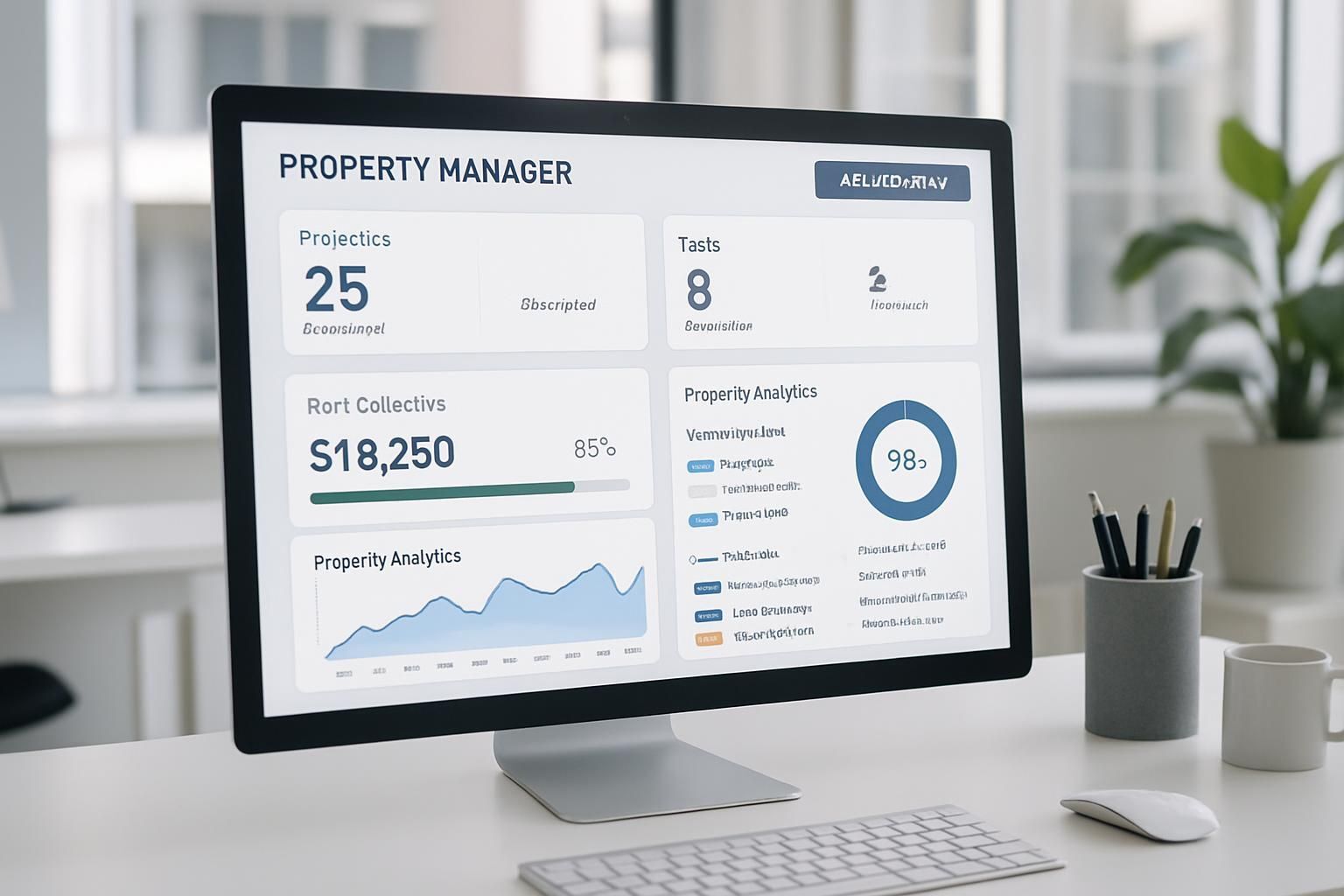
Feature Set Showdown: Hospitable’s AI-Driven Automation vs iGMS Essential Tools
Guest Messaging, Revenue Management, and Review Automation
Automation is at the forefront of the Hospitable experience, weaving AI into every layer—be it guest messaging, revenue management, or post-stay review generation. Guests receive instant, relevant responses based on AI analysis of queries, while revenue managers benefit from automated suggestions for dynamic pricing, maximizing bookings on Airbnb or Booking.com without constant intervention.
iGMS provides structured messaging templates and triggers to automate replies, schedule tasks, and synchronize calendars. The difference? Manual oversight is more prevalent: hosts must approve replies or reviews before they’re published, making iGMS’s automation efficient yet less hands-off when compared to Hospitable’s autonomous workflow.
Full Auto-Reply and AI-Generated Reviews in Hospitable
Standing out, Hospitable leverages AI to enable full auto-reply for incoming guest messages—no manual approval required. Imagine a guest inquiring about Wi-Fi late at night; AI-driven automation delivers instant, accurate responses, enhancing guest satisfaction and stress-free operations for hosts. Furthermore, Hospitable’s AI drafts and sends post-stay guest reviews tailored to each stay, saving hosts substantial effort over time.
Basic Automation and Manual Oversight in iGMS
iGMS does offer foundational automation, such as scheduled messaging, review prompts, and cleaning reminders. Yet, these automations often require human confirmation—especially for critical or nuanced guest communication. For those managing fewer listings, this layer of manual control can be reassuring, though it might prove cumbersome for larger teams.
Operational Features: Smart Thermostats, Dynamic Pricing & Smart Locks
With operational hardware integration becoming an industry standard, Hospitable introduces built-in support for smart thermostats and smart locks starting at its mid-tier plan. The platform’s dynamic pricing engine, powered by AI, adjusts nightly rates in real-time, analyzing market trends, local events, and occupancy forecasts. These features are particularly useful for maximizing short-term rental income during peak seasons or competitive periods.
Conversely, iGMS focuses on multi-calendar views and team management essentials, forgoing built-in dynamic pricing tools and automation for smart devices. Hosts must rely on third-party software or manual interventions to adjust pricing or control smart amenities, which may lead to missed revenue opportunities in fast-moving markets.
Supported Integrations: OTA Connectivity and Exclusive Channels
Airbnb, Vrbo, Booking.com, Google Vacation Rentals Support
Both Hospitable and iGMS boast deep integrations with leading OTAs, including Airbnb, Vrbo, and Booking.com. This guarantees seamless synchronization of calendars, rates, and guest communication across platforms—a critical safeguard against double bookings and miscommunication in short-term rental management. The inclusion of Google Vacation Rentals as a supported OTA in both platforms is pivotal, reflecting the demands of modern travelers searching listings directly from Google’s travel hub.
Exclusive Agoda Integration by Hospitable and Channel Coverage
Where Hospitable carves a clear niche is with its exclusive integration to Agoda, which is absent from iGMS’s offering. For hosts seeking to penetrate Asian or emerging travel markets, this unique channel access widens reach and boosts occupancy potential—features increasingly crucial for international operators.
Pricing Structures, Free Trials, and Scalability Costs Compared
Understanding 14-day Trials and Pricing Tiers by Property Count
Getting started with either platform is straightforward—both Hospitable and iGMS offer a generous 14-day free trial, allowing hosts to put automation and integration claims to the test before committing. However, their pricing models diverge sharply as portfolios scale.
Platform | Free Plan | Base Pricing | Advanced Feature Access |
|---|---|---|---|
Hospitable | No | Starting per property, accurately scales | Unlocked at mid-tier plans |
iGMS | Yes (up to 4 properties) | Per property or per booking | Limited, mainly in higher subscription plans |
Mid-tier Plans Unlocking Advanced Features in Hospitable vs Free Plan Limits in iGMS
Hospitable distinguishes itself by unlocking full AI-powered automation, smart device integration, and dynamic pricing at its mid-tier plan. For property managers aiming to leverage comprehensive automation, this tiered approach aligns feature access with portfolio growth. In practice, automation scales seamlessly, avoiding the plateau that often frustrates rapidly expanding businesses. iGMS, in contrast, provides essential features on its free plan but imposes stricter functionality and automation limitations unless users upgrade to paid plans—potentially restricting growth or requiring manual workarounds beyond four properties.
Hospitable vs iGMS: Property Management Automation and Features Comparison
| Feature | Hospitable | iGMS |
|---|
In-Depth AI Capabilities: Automating Guest Communication and Upselling
AI-Powered Performance Insights and Message Automation in Hospitable
The AI advantage is most apparent in Hospitable’s suite of automation tools. Its performance dashboard offers AI-powered insights, analyzing booking velocity, guest feedback, and revenue data. For example, managers receive actionable prompts to adjust dynamic pricing at optimal intervals or automate the upselling of vacant nights by targeting past guests with tailored offers via guest communication tools. This data-driven approach ensures hosts stay competitive while reducing daily workload.
Task-Oriented Automation Without Advanced AI in iGMS
iGMS embraces task-based automation, such as auto-scheduling cleaners or sending welcome messages. While effective for simple operational duties, it lacks the AI sophistication of full scenario-based guest messaging, dynamic upselling, or review automation present in Hospitable. Hosts looking for nuanced AI, such as generating personalized replies or analytical performance breakdowns, may find iGMS’s feature set more rudimentary.
Operational Workflow and Financial Management Differences
Comprehensive Owner Portals and Accounting Integrations in Hospitable
Operational depth is a hallmark of Hospitable. Teams benefit from advanced owner portals, enabling real-time access to booking data, financial tracking, expense management, and owner payout automation. Native integrations with accounting software make end-of-year reconciliation or real-time financial analysis straightforward—key for maintaining transparency with owners and scaling confidently.
Basic Reporting and Financial Functions Offered by iGMS
iGMS offers concise reporting on booking and cleaning activity, which suffices for hosts with modest needs. However, its financial tools are limited in scope and often supplement rather than replace standalone accounting platforms. For example, property managers requiring detailed owner statements or robust expense tracking will notice a gap, making iGMS better suited to those with less demanding financial workflows.
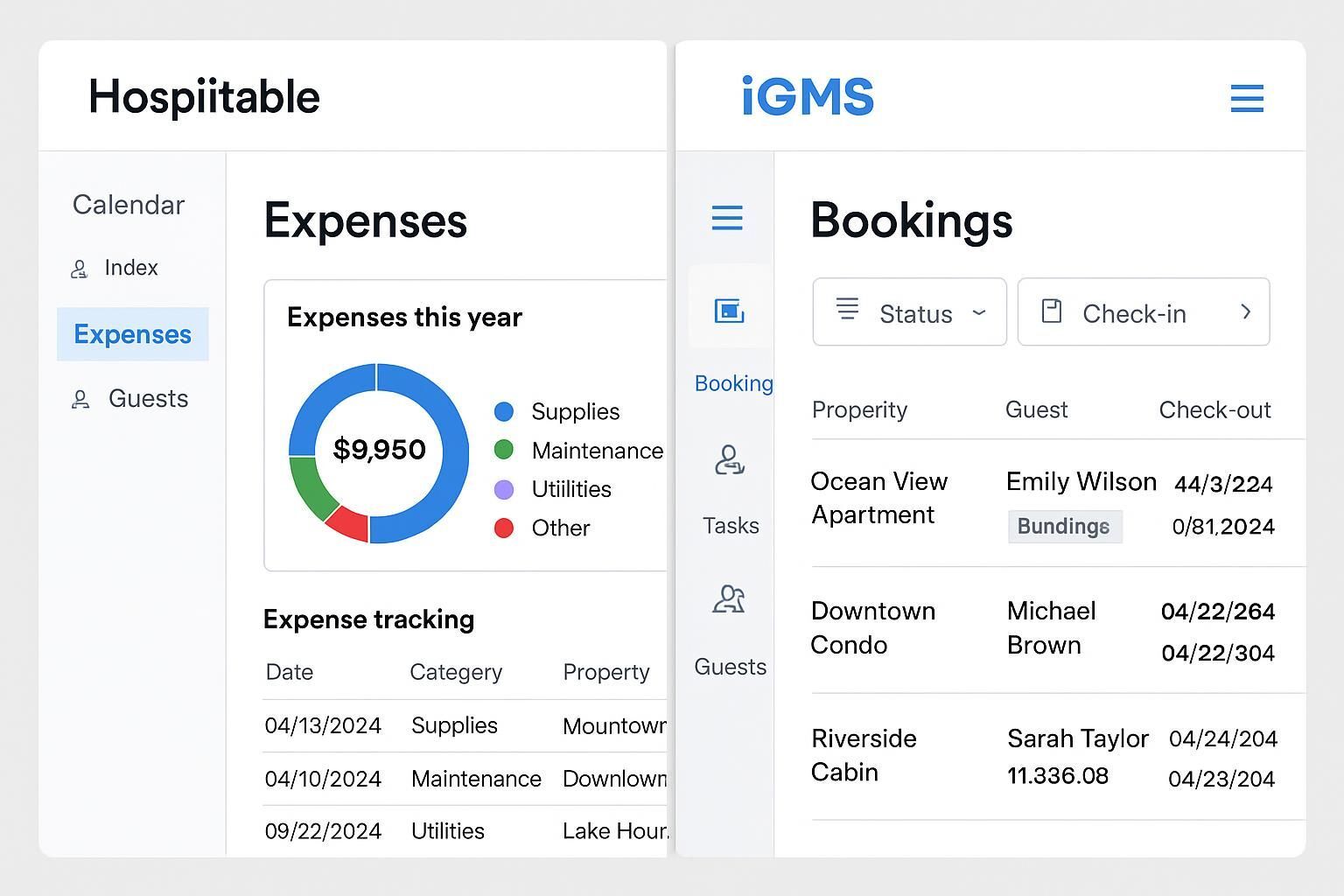
User Experience Metrics: Implementation, Usability, and Support Quality
Comparative Results and Relationship Index Scores Between Platforms
Across user experience benchmarks—usability, implementation speed, results, and relationship index—Hospitable reports superior scores. G2 and Capterra reviews regularly cite ease of onboarding, thorough documentation, and highly responsive support. For example, a new property manager onboarding five city apartments reported completing account setup and automation flows in a single evening using Hospitable’s resources.
Onboarding Processes, Training Resources, and Community Engagement
Hospitable’s Extensive Video Library and Active Community
Hospitable supports users with a vast library of instructional videos, covering everything from AI-driven automation setup to dynamic pricing strategies. Its engaged online community fosters sharing of tips, peer support, and best practice exchange—a critical asset for managers scaling quickly or navigating industry shifts.
iGMS Expert Onboarding and Free Booking Website Setup
iGMS stands out with expert-led onboarding for new users, available on request, and sets up a free direct booking website for every account. This can be particularly valuable for technophobic hosts or those exploring direct traffic channels. However, some users note a learning curve with automation triggers and calendar sync, requiring support interaction to resolve initial friction.
Strategic Decision Guide: Choosing Between Hospitable and iGMS
Portfolio Size, Automation Sophistication, and Financial Needs
Why Multi-Property Managers Should Prefer Hospitable
For those focused on scalability, automation, and deep operational oversight, Hospitable is the clear winner. Managers overseeing five or more properties, with ambitions to grow, benefit from automation streamlining guest communication, AI-powered dynamic pricing, and integrated owner/financial reporting. The platform’s feature-rich environment empowers businesses to operate with minimal manual intervention, which in 2026 is increasingly necessary to compete on global platforms like Airbnb and Booking.com.
When Individual or Small Hosts Benefit from iGMS
For solo hosts or families with fewer than five properties, iGMS delivers accessible automation, reliable calendar sync, and straightforward pricing—often without monthly fees. Basic team management features, such as cleaning assignments or messaging, suffice for most direct-to-guest use cases. Its free plan ensures beginners can test automation waters before scaling further.
Balancing Platform Sophistication With Simplicity and Budget
The choice often hinges on the tension between advanced automation and platform simplicity. Hospitable’s automation and AI capabilities offer operational sophistication, but may appear complex to beginners. iGMS, in turn, is praised for its easy-to-grasp layout, especially in the context of basic automation and calendar management. Budget-conscious hosts should weigh the cost-benefit ratio of each platform’s pricing tiers as their portfolios evolve.
Alternative Solutions: Zeevou for Enterprise-Grade Property Management
For organizations seeking even more automation, reporting customization, and direct booking infrastructure, enterprise alternatives like Zeevou fill the gap beyond Hospitable and iGMS. These platforms cater to property managers who demand enterprise-grade team management, white-label websites, and automated financial flows—features not native to the comparative options but increasingly relevant at the high end of the short-term rental market.
Hosts managing high-volume, multi-location properties should prioritize platforms with maximum automation and integrated financial tools.
Careful assessment of pricing structures, support resources, and add-on features is key to minimizing future migration or scaling headaches.
Review onboarding materials and user community engagement as indirect signals of platform maturity and ongoing development.
Criteria | Hospitable | iGMS |
|---|---|---|
Automation depth | Full AI, dynamic pricing, auto-reply, operational integrations | Essential task-based, limited AI, manual checks |
Supported OTAs | Airbnb, Vrbo, Booking.com, Agoda, Google | Airbnb, Vrbo, Booking.com, Google |
Pricing flexibility | Per property, unlocks at mid-tier | Free plan for up to 4 properties, per property/booking tiers |
Financial tools | Owner portals, payouts, expense management | Basic reporting |
Usability/support | High satisfaction, extensive training | Good onboarding, moderate support |
Which platform is better for Airbnb superhosts with multiple city units?
Hospitable is a top choice for Airbnb superhosts managing multi-city portfolios due to its advanced automation, AI-powered messaging, and dynamic pricing. It streamlines complex operations, making it easy to scale and maintain high guest ratings.
Does iGMS support team management for cleaning and maintenance staff?
Yes, iGMS includes basic team management features, allowing hosts to assign cleaning and maintenance tasks. However, the automation is more task-oriented and less sophisticated compared to Hospitable.
Can I use both platforms to manage direct bookings in addition to OTAs?
Both Hospitable and iGMS support direct booking websites, though Hospitable offers advanced automation for guest communication and upselling, while iGMS sets up a free direct booking site with expert onboarding.
Is there a free plan available for growing property managers?
iGMS offers a free plan for up to four properties, which is ideal for small-scale hosts. Hospitable does not have a free plan, but features unlock with scalable pricing as your portfolio expands.
How do Hospitable and iGMS compare in handling guest messaging automation?
Hospitable delivers full AI-driven guest messaging automation with instant replies and AI-generated reviews. iGMS automates basic messaging but usually requires manual approval, making it less efficient for larger portfolios.