

The digital landscape of hospitality management is evolving, challenging hoteliers and property owners to find platforms that can effortlessly orchestrate booking, channel management, and direct bookings while catering to complex operating needs. The competition between Cloudbeds and Amenitiz epitomizes this dynamic: both promise all-in-one solutions, yet each platform serves distinct types of hospitality professionals seeking either analytics-driven growth or seamless digital presence. Choosing the optimal software no longer hinges merely on basic booking or reservations features—success revolves around the integration of predictive reporting, dynamic pricing, and guest-centric engagement across a global or regionally focused market. Whether operating a boutique hotel in Paris or a multi-property network in Miami, the right system transforms how bookings are managed, how direct bookings are increased, and how operational efficiency paves the way for future scalability.
Key Takeaways
Cloudbeds unifies property management, channel management, booking, direct bookings, payment processing, and guest communication within a single dashboard, supported by over 350 integrations and 300+ OTA connections.
Amenitiz simplifies booking and direct booking conversion through responsive web design and real-time channel management across 120+ OTAs, targeting hoteliers seeking easy-to-use digital solutions.
Cloudbeds leverages AI-driven reporting and dynamic pricing to maximize bookings and operational decisions, offering 24/7 multilingual customer support and rich training resources.
Amenitiz’s market strategy centers on boosting direct bookings for independent hotels via attractive, mobile-ready websites and streamlined guest workflows.
Interface flexibility, support quality, transparent pricing, and global scalability distinguish the comparative strengths of each platform in the hospitality software market.
Notable competitors referenced: SiteMinder, Bookinglayer, Smoobu, Beds24, innRoad, PHOBS, CultSwitch, Reznext, Parity Rate, ChannelRUSH, HiRUM PMS, AxisRooms, and CultBooking.
Comprehensive Comparison of Cloudbeds vs Amenitiz for Hospitality Management
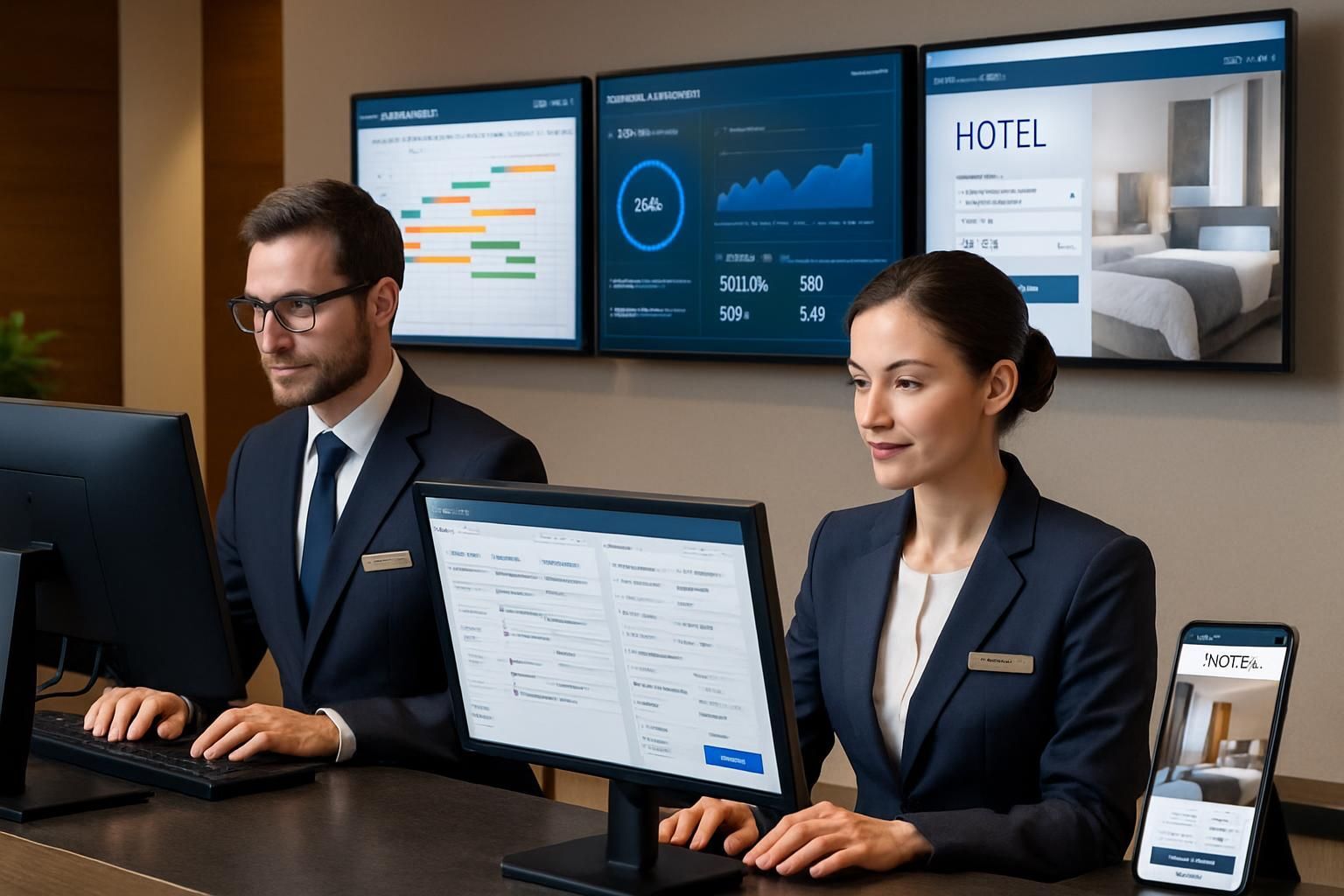
Cloudbeds Overview: All-in-One Hospitality Management Software
If you picture Clara, the general manager of a 50-room boutique hotel juggling bookings through various OTAs and walk-ins, you’ll understand why all-in-one solutions like Cloudbeds redefine efficiency in the hospitality industry. Their platform consolidates property management, channel management, booking engine, guest messaging, payment gateway, and smart analytics in a unified dashboard. This approach has attracted a global client base, including hotels, hostels, and short-term rental operators aiming to control bookings and maximize occupancy across diverse marketing channels.
Clients of Cloudbeds often highlight the advantage of robust integration breadth—connecting with over 350 technology partners, including travel agencies, revenue optimizers, and third-party reporting tools. This deep integration ensures seamless data flow between various touchpoints involved in the guest journey, optimizing everything from booking to reporting and accounting.
For hospitality professionals targeting growth, Cloudbeds represents a strategic investment, combining the sophistication of AI-based forecasting with operational agility on a globally recognized software stack.
Integrated Dashboard: Streamlining Property Management and Channel Distribution
The cornerstone of Cloudbeds lies within its integrated dashboard, designed for streamlined property management and real-time channel management. Managing bookings across more than 300 OTAs—including heavyweights such as Booking.com, Expedia, and Airbnb—takes place within a consolidated, color-coded interface, enabling hoteliers to limit overbookings and automate inventory updates instantly.
The platform’s powerful booking workflow means every reservation from OTA or direct booking is logged, categorized, and synchronized, providing not only operational peace-of-mind but also a significant reduction of manual errors. From independent hotels to large accommodation groups, this capability ensures consistent revenue flow, addressing common industry pain points such as double-booking and rate parity concerns.
These operational efficiencies resonate especially with multi-property managers who cite improved team communication and centralized control as core benefits. The dashboard allows customization for various staff roles, ensuring secure access to reservations and reporting tailored to departmental needs.
Advanced Analytics and Dynamic Pricing Powered by AI
Few platforms in hospitality management can claim the sophistication of Cloudbeds’s AI-powered solutions. Through predictive analytics, the software forecasts occupancy rates, average daily rates, and seasonal demand fluctuations. This empowers operators to adjust pricing dynamically based on real-time market data, optimizing revenue opportunities with each booking.
With built-in reporting modules, managers obtain actionable insights into booking trends, occupancy patterns, and guest demographics. These features are particularly valued by technology-forward operators like Clara, who rely on granular data not only for strategic planning but also for daily operational decisions.
By automating dynamic pricing, Cloudbeds removes guesswork, leading to a measurable increase in both bookings and guest satisfaction while lowering administrative overhead.
Target Market and Deployment Flexibility of Cloudbeds
One of Cloudbeds’s significant differentiators is its broad market reach. Tailored to suit small boutique hotels through to expansive multi-property enterprises, the platform adapts seamlessly to differing needs by offering scalable booking and channel management functionalities. Unlike some competitors—like innRoad or PHOBS, which focus more narrowly—Cloudbeds is engineered for flexibility in both physical deployment and user interface customization.
The system operates across multiple operating systems and offers responsive design for tablets and smartphones. Whether managing reservations on-site, on the go, or remotely, users benefit from real-time updates and synchronized data across all devices. The platform’s multilanguage support and 24/7 accessibility further suit global hotel chains and international teams.
This flexibility positions Cloudbeds as a compelling alternative to brands such as SiteMinder, Beds24, or HiRUM PMS, especially for growing hospitality businesses targeting diverse markets.
Amenitiz Overview: Boosting Direct Bookings through Simplified Digital Presence
For Léa, who runs a family-owned countryside B&B and whose priority is to drive direct bookings, Amenitiz offers a nuanced answer. Unlike multipurpose systems oriented toward global expansion, Amenitiz focuses on empowering hoteliers and small property owners to take control of their booking journey by building attractive, high-conversion websites and synchronizing OTA connections for effortless reservations management.
The Amenitiz platform serves as an intuitive launchpad for digital visibility, marrying visually engaging, responsive web design with user-friendly channel management. The modular approach allows property managers to add booking engines, connect with payment gateways, and automate guest communications—all aimed at reducing reliance on third-party listings in favor of boosting direct bookings.
Amenitiz’s Responsive Web Design for Mobile-Optimized Hospitality Sites
Amenitiz sets itself apart with a website builder tuned to the needs of hospitality brands seeking a frictionless booking experience for guests. The responsive design guarantees optimal performance across desktop, mobile, and tablet devices, acknowledging the mobile-centric booking habits seen in 2026’s digital-first travelers.
This ease of digital presence means that Léa can showcase her B&B’s unique story, integrate streamlined booking widgets, and benefit from SEO best practices, translating directly to higher direct bookings and guest retention. For hospitality professionals keen to minimize technical headaches, this web-first philosophy offers a refreshing contrast to more IT-heavy options like Bookinglayer or CultBooking.

Robust Channel Manager Synchronizing Calendars Across 120+ OTAs
One of Amenitiz’s most impactful features is its real-time channel manager, ensuring bookings are accurately updated over 120+ OTAs—from major portals to regional specialists. This instantaneous synchronization removes the risk of double bookings and streamlines inventory allocation.
The Amenitiz channel manager provides a simplified dashboard, letting owners update rates, restrictions, and availability across all connected platforms in a few clicks. Unlike more complex systems, it provides a user-centric approach well-suited to independent hoteliers who lack large IT departments. For comparison, other platforms like AxisRooms or Parity Rate might offer broad connectivity but can be more complex to set up for tech novices.
This peace of mind is amplified by automation—notifications, guest communications, and calendar updates are handled without manual intervention, freeing owners to concentrate on hospitality rather than administrative booking tasks.
Amenitiz’s Market Focus and Support Structure
Amenitiz cleaves to its core demographic: small and mid-size independent hoteliers seeking a simple yet effective toolkit for property management, bookings, and marketing. Its solutions enable operators to access feature-rich tools without the learning curves of enterprise-grade platforms, aligning well with businesses focused on high guest engagement and streamlined reservations flow.
The support model reflects this focus. Amenitiz provides business hours customer support along with a dedicated knowledge base, video tutorials, and self-serve documentation. The philosophy is accessibility—equipping hospitality entrepreneurs to handle most issues without deep technical support. By contrast, Cloudbeds and brands like ChannelRUSH or CultSwitch often compete on 24/7 support and global reach.
This balance of autonomy and targeted help enhances the platform’s appeal for businesses transitioning online or scaling their booking operations for the first time.
In-Depth Feature Comparison: Cloudbeds vs Amenitiz
Feature | Cloudbeds | Amenitiz |
|---|---|---|
Channel Management | 300+ OTAs, 350+ integrations, deep automation | 120+ OTAs, real-time sync, simplified interface |
Website Builder | Integrated CMS, booking widgets, professional templates | Responsive web design, mobile-first, optimized for direct bookings |
Payment Processing | Secure gateway, supports multiple currencies, integrated invoicing | Automated payment options, seamless for small hotels |
Reporting & Analytics | AI-powered forecasting, custom reports, dynamic pricing insights | Core performance reporting, focus on reservations & direct bookings |
Customer Support | 24/7 multilingual live chat, training hub, onboarding webinars | Business hours helpdesk, online guides, video help |
Channel and Inventory Management Capabilities
Both Cloudbeds and Amenitiz incorporate intelligent channel management systems, which prevent overbookings and optimize bookings flow. Cloudbeds’ channel manager ranges wider, connecting to over 300 OTAs and integrating directly with partners such as SiteMinder and Bookinglayer. The multi-layer inventory logic ensures double bookings are virtually eliminated while facilitating granular rate updates across all marketplaces in real time.
By contrast, Amenitiz champions simplicity and reliability for smaller portfolios. Its 120+ channel integrations simplify booking processes, providing centralized control. While not as feature-rich as Cloudbeds or Smoobu, the Amenitiz approach is perfectly suited for owners prioritizing straightforward bookings above technical depth, especially those managing fewer reservation channels at once.
Ultimately, the choice hinges on operational complexity, with Cloudbeds leading for diversified, high-volume booking needs, and Amenitiz excelling in ease of use for compact setups.
Website Building and User Experience
The website builder is where these platforms’ philosophies diverge. Cloudbeds offers a customizable website engine with integrated booking widgets, template selection, and direct OTA connection, combining aesthetic freedom with booking efficiency. Its wide array of integrations also appeals to properties looking to plug into third-party marketing, reporting, or review management tools like those used by CultBooking and PHOBS.
Amenitiz, meanwhile, turns simplicity into an art form. Its drag-and-drop website setup empowers even the most tech-averse user to showcase rooms, highlight guest stories, and maximize conversion for direct bookings. Built-in responsiveness ensures guests enjoy smooth mobile booking. This stands in contrast to alternatives like Smoobu, which offer generic templates with less hospitality-focused branding options.
Example: Léa’s B&B saw a 27% increase in direct bookings within three months after redesigning her website through Amenitiz’s platform.
Cloudbeds’ users often cite seamless integration with existing marketing stacks as a key value driver, especially for luxury or multi-location properties.
For property operators, the website experience isn’t only about looks—it’s about turning site visits into confirmed bookings, with direct booking tools at the heart of the strategy.
Guest Communication and Payment Processing
Effective guest communication can make the difference between a one-time guest and a repeat booking. Cloudbeds centralizes guest messaging, automating emails and SMS notifications about booking confirmations, check-in instructions, or special offers. Its Payment Processing module natively supports major card providers, integrates multi-currency billing, and links seamlessly to guest invoices, eliminating the friction during the booking journey.
Amenitiz also streamlines communication, providing templates for reservation confirmations and stay-related instructions, while keeping payment workflows user-friendly. Automated payment links and reminders for guests during the booking process make Amenitiz attractive to small teams. The differences become apparent at scale—Cloudbeds is often favored for comprehensive payment and reporting options, whereas Amenitiz wins over users with intuitive deliverables requiring less setup.
For properties facing high booking volumes or complex billing (think hostels or multi-property groups), Cloudbeds provides deeper processing flexibility, while Amenitiz fits best where personalized, streamlined bookings matter most.
Cloudbeds vs Amenitiz — Comprehensive Comparison 2024
| Feature | Cloudbeds | Amenitiz |
|---|
Integration Ecosystems and Advanced Functionalities
The integration ecosystem can define a platform’s long-term viability. Cloudbeds exerts dominance here, offering plug-and-play links to more than 350 external tools, including third-party CRMs, review engines, and dynamic pricing tools. This means operators can scale their reservations, reporting, and marketing systems without migrating away from their core booking engine.
Amenitiz maintains focus on integrations that matter most to small operators—channel managers, direct payment partners, and guest experience platforms. Its compatibility list is shorter, but the shallow learning curve and reduced maintenance can be a deciding factor for newcomers. While platforms like Bookinglayer or innRoad may offer niche integrations, Amenitiz prioritizes user simplicity and daily booking efficiency.
Ultimately, if advanced reporting, AI, or custom integrations are mission-critical, Cloudbeds provides an edge that Amenitiz lacks in its current suite.
User Experience, Support, and Market Positioning for Cloudbeds and Amenitiz
Interface Intuitiveness and Flexibility for Various Property Sizes
Hoteliers and property managers uniformly value interface clarity—particularly when training seasonal staff or managing high booking turnover. Cloudbeds’ dashboard earns high marks for intuitive navigation, customizable role permissions, and powerful filtering across bookings, reservations, and guest lists. Its modular downloads allow operators to expand features as business matures—from a 10-room hostel to a 200-suite resort.
Amenitiz, on the other hand, wins hearts for its visually accessible interface designed for streamlined learning. Single-page dashboards, drag-and-drop menus, and simplified reporting tools ensure a quick onboarding experience for new staff. This is ideal for small and family-run properties where turnover or low technical proficiency might otherwise deter digital upgrades.
The net result: Cloudbeds shines when complexity and growth matter; Amenitiz excels where straightforward booking management and rapid deployment are critical.
Customer Support Quality and Training Resources
A major complaint among hoteliers switching software is subpar customer support. Here, Cloudbeds distinguishes itself: round-the-clock multilingual support, a rich online training hub, and interactive webinars build a reliable safety net. Users transitioning from SiteMinder or CultSwitch appreciate the depth offered, especially during high season or when deploying new features.
Amenitiz, mindful of its target niche, provides focused business hours support aligning with European hospitality operators. A broad library of videos, help guides, and community contributions supplements its direct customer support. Though some users report challenges during critical booking windows due to limited hours, the platform’s accessible documentation tempers most issues.
Both platforms invest heavily in training, recognizing that efficient onboarding directly translates to higher conversion rates via bookings and improved guest reviews.
Support Level | Cloudbeds | Amenitiz |
|---|---|---|
Availability | 24/7, multilingual | Business hours, English/French/Spanish |
Training | Knowledge base, live webinars, in-app tutorials | Video library, self-serve docs, onboarding mailers |
User Feedback | Faster response times, hands-on assistance | Personalized, clear guidance for small businesses |
Pricing Transparency, Trial Options, and Scalability Potential
Transparent pricing is a key concern for property managers balancing ROI with booking system effectiveness. Cloudbeds offers scalable plans with volume-based pricing, published guidelines, and no hidden fees. Free trial options allow operators to test all booking and channel management features before committing—beneficial for growing brands seeking confidence before a full rollout. The ability to layer on modules as bookings and reservations grow ensures Cloudbeds remains relevant for both new and established ventures.
Amenitiz employs a similarly transparent model, with clear pricing tiers based on property size, optional add-ons for enhanced website or payment features, and trial access for small hoteliers. The platform eschews hidden costs, maintaining trust among its European base. Its pricing structure is designed to appeal to properties that may outgrow traditional spreadsheets but need affordable, effective booking solutions before scaling to enterprise alternatives like Beds24 or Reznext.
For both systems, scalability is a hallmark: larger hotels may lean toward Cloudbeds, while single-property independents find Amenitiz cost-effective and straightforward.
Positioning Within the Hospitality Software Market
The 2026 hospitality technology ecosystem boasts a crowded landscape, including platform offerings from SiteMinder, PHOBS, and Bookinglayer to niche booking specialists like ChannelRUSH and CultBooking. In this context, Cloudbeds is recognized for its integrated ecosystem, robust analytics, and scalability, while Amenitiz is admired for its user-centric approach, responsive design, and direct bookings emphasis.
Hoteliers seeking analytics-fueled booking growth, extensive integrations, and multi-property management are serviced well by Cloudbeds. In contrast, Amenitiz addresses the needs of users who value simplified channels, intuitive digital presence, and cost-effective booking solutions over high complexity. Both platforms differentiate themselves from legacy PMS software and next-generation upstarts through commitment to user experience, automation, and future-proof booking strategies in a rapidly shifting marketplace.
Properties switching from Smoobu or Beds24 often cite a desire for broader integration or friendlier design as their motivation for evaluating Cloudbeds or Amenitiz.
Those previously using SiteMinder or PHOBS are drawn to innovations around dynamic pricing and AI insights (Cloudbeds) or streamlined direct booking flows (Amenitiz).
Ultimately, selecting between these platforms depends on individual outlooks: prioritize scale, smart reporting, and automation with Cloudbeds; value simplicity, conversion-centric design, and direct booking uplift with Amenitiz.
What sets Cloudbeds apart from other hospitality platforms?
Cloudbeds distinguishes itself with a unified ecosystem that combines property management, channel management, dynamic pricing, AI-based analytics, and 350+ integrations. This makes it suitable for everything from boutique hotels to global multi-property chains, especially those seeking deep automation and extensive booking channels.
Is Amenitiz suitable for larger hotels or chains?
Amenitiz is designed primarily for small and mid-sized hospitality operators who want easy-to-use booking, direct booking growth, and a mobile-friendly digital presence. While chains may use it, businesses with complex reporting or integration needs often find Cloudbeds or platforms like SiteMinder more scalable.
How do Cloudbeds and Amenitiz help increase direct bookings?
Cloudbeds drives direct bookings through integrated booking engines and marketing tools, while Amenitiz uses high-conversion website design and simplified booking flows. Both aim to minimize reliance on third-party OTAs, but Amenitiz especially emphasizes direct booking growth for independents.
What kind of customer support is available on these platforms?
Cloudbeds delivers 24/7 multilingual customer support and access to webinars, onboarding, and a training hub. Amenitiz provides business hours support, video tutorials, and detailed knowledge bases, tailored for independent operators who need clear, actionable guidance.
Can I migrate my existing reservations and guest data to these systems?
Both Cloudbeds and Amenitiz offer migration support with step-by-step onboarding to import bookings, guest info, and historical reservations data, ensuring a smooth transition for properties upgrading from other booking or PMS software.