

Vacation rental managers in 2026 demand more than just robust booking calendars—they want integrated, automation-rich platforms that transform how properties are run. As the short-term rental market grows ever more competitive, the choice between Smoobu and Lodgify is more pivotal than ever. These two platforms stand out for their comprehensive approach to listing management, user experience, and pricing transparency, yet they diverge on significant grounds: from channel manager philosophy to customer support inclusivity, each solution caters to distinctly different hosting ambitions. Smoobu’s real-time connectivity and all-in-one package target hosts who want a frictionless journey from listing setup to guest communication, while Lodgify’s focus on sophisticated website builder features and premium upsells appeals to those seeking to build a strong property brand, even at the cost of higher ongoing fees. This article delves into their offerings, limitations, and the subtle differences that can dictate the trajectory of a rental business. Whether you manage two apartments downtown or a growing portfolio at the coast, understanding these nuances is crucial for maximizing occupancy, reducing manual work, and driving profitability for 2026’s digitally savvy host.
At a glance
Smoobu delivers real-time, commission-free channel manager integration to 100+ platforms with free, customizable website builder and built-in dynamic pricing.
Lodgify shines for premium, brandable websites and selective property focus, but key integrations and advanced features often incur additional costs and commissions.
Smoobu’s no-commission booking engine and full-featured 14-day free trial give hosts flexibility with zero risk or upfront payments.
For larger scale property management or advanced automation, alternatives like Hospitable or iPRO may offer deeper operational control and native integrations.
Smoobu consistently wins user praise for ease of use and customer support, while Lodgify sees mixed reviews due to its greater complexity and add-on costs.
Comprehensive Analysis of Lodgify vs Smoobu for Vacation Rental Management in 2026
In the fast-moving world of short-term rentals, both Smoobu and Lodgify have emerged as pivotal platforms for managing everything from an urban studio on Airbnb to seaside villas. Their core promise is simple: help hosts and managers take control of listings, automate repetitive booking tasks, and streamline guest communication. Despite this shared vision, the platforms’ practical approaches couldn’t be more different. Smoobu, celebrated for its all-in-one flat-fee model and commission-free structure, emphasizes user empowerment and transparency. In contrast, Lodgify’s appeal lies in its high-caliber branded website builder and advanced marketing tools, but these often involve additional fees or premium-tier access. For modern property managers, knowing when to choose user-friendliness versus customization—and understanding the hidden operational costs—can spell the difference between easily scaling a rental business and being bogged down by technical headaches or shrinking profits.
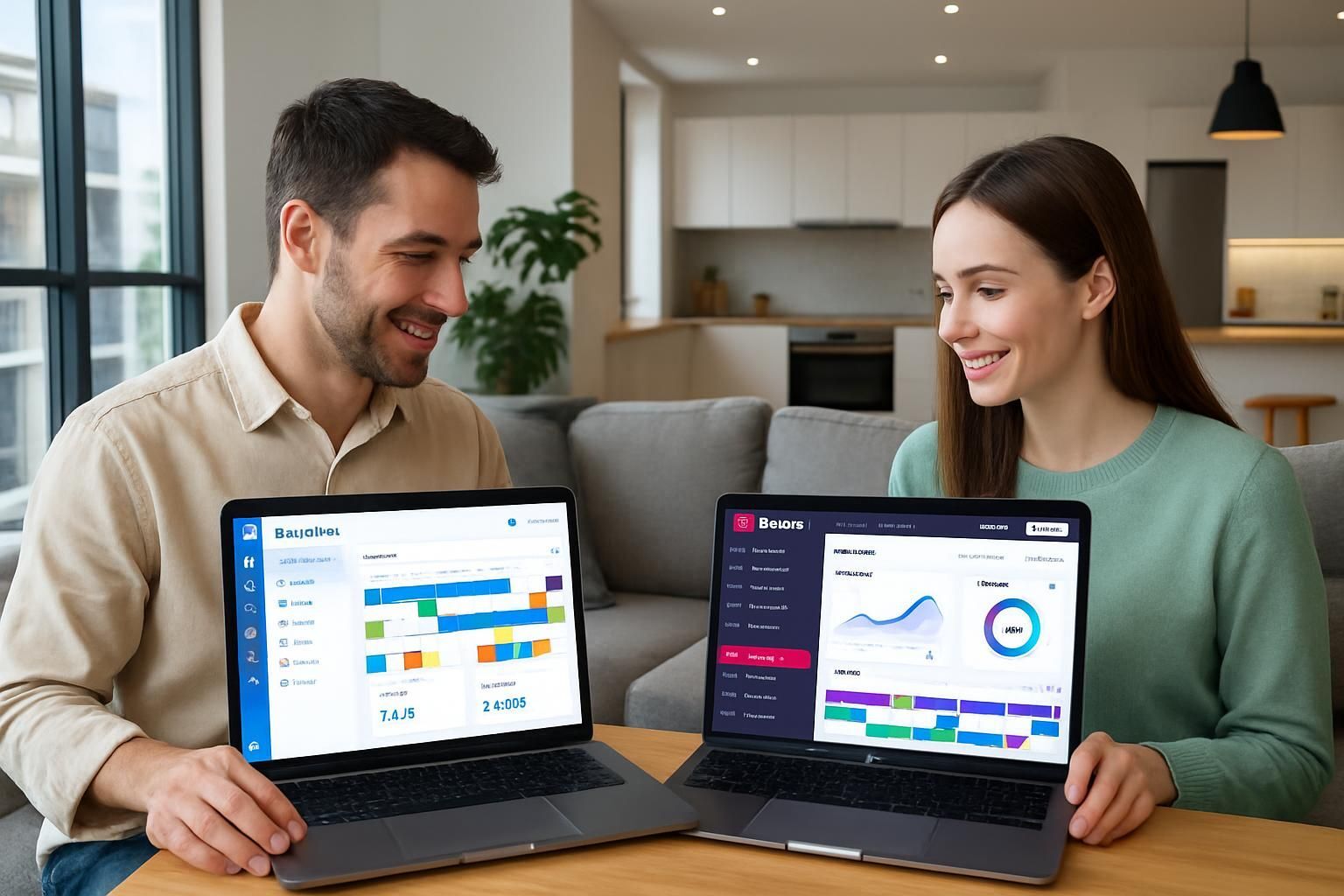
Distinguishing Features of Lodgify vs Smoobu in Vacation Rental Software
What sets Smoobu and Lodgify apart is the philosophy underpinning their features and integration. Smoobu is engineered for accessibility and directness—the platform prioritizes a seamless experience for independent hosts or small agencies. Features like live connection to OTAs, built-in automation tools, and a zero-commission structure are not just afterthoughts—they’re the core DNA of the product. Conversely, Lodgify’s main drawcard is the advanced website builder; it supports hosts seeking to develop a unique brand or attract direct bookings, especially those with the design expertise or budget to leverage its paid customization layers. Choosing between them involves understanding which features will empower your workflow, and which could, through hidden fees, limit your long-term growth.
Channel Management Comparison: Smoobu’s Real-Time Connections vs Lodgify’s Fee-Driven Integrations
Smoobu’s channel manager stands out for its true real-time syncing with over 100 platforms. For hosts juggling listings across Airbnb, Booking.com, and niche regional portals, this commission-free approach ensures up-to-the-minute calendar accuracy—vital for avoiding double bookings. Small agencies relying on rapid local market adjustments particularly value this. An illustration: Marie, a Berlin-based host, uses Smoobu to synchronize her apartments across nine platforms, saving hours of manual calendar updating each week. In comparison, Lodgify’s channel management includes fees for certain premium integrations—such as Google Vacation Rentals—complicating financial forecasting for hosts who expand their distribution. Over time, these costs can add up, subtly shifting the balance in favor of Smoobu for owners prioritizing low-overhead operations and operational transparency.
Website Builder Capabilities: Free Customizable Templates in Smoobu vs Paid Access in Lodgify
For hosts seeking a professionally branded booking portal, the website builder is central. Smoobu delivers a fully functional, secure website builder entirely free within its standard packages. Customizable templates, direct booking functionality, and guest messaging are included, empowering hosts with limited budgets to compete with the big players. One case illustrates this power: a rural Italian agriturismo boosted bookings by 35% after replacing its outdated site with a new Smoobu-powered portal, complete with instant guest messaging. By contrast, Lodgify’s website builder features are locked behind paid plans—potentially imposing a barrier for small-scale entrepreneurs wishing to expand. While Lodgify’s design library is more extensive, the need to upgrade to higher plans for full flexibility means hosts must weigh branding desires against long-term cost efficiency.
In-Depth Booking Engine Review: No-Commission Model of Smoobu Against Lodgify’s Feature Set
Smoobu’s booking engine is designed for transparency and speed—hosts can set flexible pricing, launch promotions, and process secure payments instantly, all with a strict no-commission model. This granular control means that every cent of direct bookings stays with the owner, with features streamlined for rapid guest conversion. Lodgify’s booking engine, while supporting direct bookings, is built around more complex menus and offers fewer features out of the box unless subscribing to premium layers. For hosts like Serena, who operates three Barcelona lofts, Smoobu’s transparent structure provided peace of mind and certainty over income, while Lodgify’s layered upsells led to confusion and unexpected costs, especially when scaling up.
Dynamic Pricing Tools: Built-In Smart Pricing in Smoobu Versus Commission Charges in Lodgify
The ability to rapidly adjust rates is a game-changer in today’s volatile markets. Smoobu includes smart pricing tools as part of its core package—no need for separate apps, no added cost. This means hosts can react to local festivals, occupancy dips, or market surges instantly and without penalty. Smoobu’s free trial of smart pricing lets new users experiment with strategies risk-free. Lodgify, in contrast, charges a commission on each booking that benefits from its dynamic pricing tools—a model which may eat into margins during high season. For hosts focused on maximizing profit and minimizing commissions, this difference can be decisive.
Mobile App Usability and Customer Support Services in Lodgify vs Smoobu
Managing a vacation rental on the go is the new norm, and here Smoobu’s mobile app excels for both new and experienced users. Its simple interface and logical workflows mean quick learning and reliable performance, even with patchy Wi-Fi or on older devices. Lodgify’s app, while functional, is often described by users as more technical and less friendly for non-experts. This difference matters for rapid response to guest inquiries or emergencies, and can affect the everyday stress of property management.
Smoobu’s Intuitive Mobile App Experience Compared to Lodgify’s Technical Interface
A real-world account: Tom, managing five chalets in rural France, reports Smoobu’s mobile app let him confirm reservations and alter pricing while hiking. He found Lodgify’s app harder to navigate under pressure, costing valuable time. The combination of clarity and connectivity in Smoobu’s app has consistently earned it higher user satisfaction scores, particularly among self-managing hosts and small staff teams.
Customer Support Access: Comprehensive Multi-Language Assistance in Smoobu vs Tiered Support in Lodgify
The support landscape differs notably. All Smoobu users, from trialists to subscribers, have access to multi-language customer support via phone, email, and live chat. Lodgify restricts these support channels to premium-pricing plans, leaving entry-level users with FAQ databases or delayed ticketing. In high-pressure situations—late-night double bookings or payment disputes—immediate, inclusive assistance can be the difference between saving a guest relationship or losing revenue. Smoobu’s inclusive support ethos positions it as a safety net for hosts new to digital management or working across language barriers.
Free Trial Options: Risk-Free 14-Day Trial in Smoobu vs Conditional 7-Day Trial in Lodgify
Trying before buying is critical in software adoption. Smoobu offers a full-featured, 14-day free trial—no credit card required. Hosts can test every feature, from automation to price management, with zero commitment or risk. On the other hand, Lodgify’s trial period is only 7 days and necessitates upfront payment details, which may deter users cautious about accidental charges or data privacy. This difference appeals particularly to first-time digital adopters or those nervous about transitioning from manual processes.
User Feedback Trends on Ease of Use and Value: Smoobu’s Positive Reviews vs Mixed Responses for Lodgify
User feedback for Smoobu consistently highlights ease of use, value—and the absence of hidden costs. Multiple reviews emphasize its smooth learning curve and responsive support as major decision-drivers, especially for hosts scaling from part-time rental to full business. In contrast, Lodgify receives more mixed reviews: some praise its advanced features for luxury properties, yet others cite the challenge of a technical interface, layered pricing, and support gaps. This divergence is well-captured in online communities, where smaller hosts tend to advocate Smoobu, while boutique agencies lean towards Lodgify for branding capabilities—assuming they can manage the complexity.
Transparent Pricing Structures: Smoobu’s All-Inclusive Plans vs Lodgify’s Commission-Based Models
An all-inclusive approach strongly shapes long-term profitability. Smoobu’s pricing starts competitively, offering every core feature—including channel management, website builder, and automation—without commissions for its standard plans, and discounts for annual commitments. Only its optional Flex plan introduces commission, designed for hosts who prefer a lower base fee but are comfortable with per-booking charges. Lodgify, by contrast, often appears cheaper upfront but adds commissions and surcharges for features like real-time integration, dynamic pricing, or branded websites. Over the course of a year, these subtleties can mean significant differences in profits retained by the host.
Vacation Rental Software Comparison (2026)
| Feature | Smoobu | Lodgify |
|---|
Feature Comparison Summary: Key Differentiators in Channel Management, Pricing, and User Satisfaction
Hosts comparing these two solutions may benefit from an at-a-glance review:
Feature | Smoobu | Lodgify |
|---|---|---|
Channel Manager | Real-time, 100+ platforms, free | Selective, extra fees for some |
Website Builder | Included, customizable | Paid tiers only |
Booking Engine | No commission | Some features limited |
Dynamic Pricing | Built-in, no extra charge | Commission per booking |
Mobile App | User-friendly | More technical |
Customer Support | Inclusive, all plans | Tiered |
Trial Length | 14 days, no card | 7 days, card required |
This table can help clarify which solution best aligns with your immediate and future business needs.
Choosing Between Lodgify and Smoobu: Usability Scenarios Tailored for Hosts and Property Managers
Due to their core design and pricing, Smoobu and Lodgify attract different user segments. Here’s how typical hosts can match their profile to the right solution:
If you manage a handful of properties and want all key features—channel manager, website builder, dynamic pricing—bundled transparently, Smoobu’s value proposition will likely resonate.
If your goal is building a high-end direct booking portal with advanced branding and you have only a few exclusive properties, Lodgify’s premium website toolset can elevate your visibility, even if it costs more long-term.
This approach encourages intentional software choice over defaulting to the most heavily advertised provider.
Best Use Cases for Smoobu: Small Hosts and All-In-One Flat-Fee Solutions
The classic Smoobu user is a hands-on host or small property manager who prizes simplicity and affordability. By minimizing extraneous fees and including every essential feature, Smoobu lets operators focus time on guest relationships and expansion, not administrative drudgery or invoice surprises.
Lodgify Advantages for Branded Websites and Selective Properties Despite Extra Costs
On the other hand, Lodgify is chosen by hosts or boutique agencies seeking a showpiece website—as seen in cases where luxury villa owners use its advanced customization to craft a unique digital presence. For those unafraid to invest in design and desire the most sophisticated booking portal possible, Lodgify’s premium approach can pay off if margins support it.
Alternatives Beyond Lodgify vs Smoobu: A Look at Hospitable and iPRO for Advanced Features
For hosts demanding even deeper automation, integrated owner payouts, or advanced task management, solutions like Hospitable and iPRO enter the spotlight. These alternatives often come with steeper learning curves and prices, but supply features such as native smart home device control, robust team permissions, and integrated accounting feeds—capabilities that Smoobu and Lodgify currently lack. Large-scale operators or those with hybrid rental/management models may find their needs better met by these next-generation tools.
Limitations of Lodgify and Smoobu in Advanced Property Management and Professional Integration
Despite their strengths, both Lodgify and Smoobu share limitations for advanced users. Neither platform integrates native owner payout functionality or professional-grade accounting for multi-party splits. Granular control over team member permissions, detailed reporting, and large-scale inventory management remains limited—forcing growing companies to seek supplemental solutions or migrate upward as their business matures.
Operational Management Insights: Task Coordination and Smart Home Integrations in Smoobu vs Lodgify
On-the-ground task management is where workflows thrive or falter. Smoobu offers a simple, visual interface for scheduling cleaning, maintenance, and guest prep—streamlining coordination for small teams. Lodgify, instead, depends on third-party integrations to manage similar needs, creating an extra step and potential point of failure. Real-world example: a coastal property manager using Smoobu automates key exchange and cleaner notifications directly, minimizing communication slip-ups and missed turnovers.
Smoobu’s Simple Task Coordination Interface Compared to Lodgify’s Third-Party Reliance
The main benefit for Smoobu users is reduced software bloat—no need to juggle separate logins or sync platforms. In contrast, Lodgify’s reliance on external partners increases operational complexity, an important consideration for hosts who prize all-in-one control.
Advantages of Alternatives Offering Native Automation and Smart Device Control
Alternatives like iPRO or Hospitable further distinguish themselves by embedding automation for smart locks, climate controls, and guest communications. For operators managing multi-unit buildings or remote check-ins, these integrations mean tighter margins, superior guest experiences, and reduced site visits—a signpost toward the future of seamless property management.
Which platform is better for direct bookings?
Smoobu offers a no-commission, feature-rich booking engine designed for maximizing direct bookings efficiency and profit. Lodgify also supports direct bookings, but some advanced features require premium plans or incur extra fees, which might affect long-term profitability.
Can I switch from Lodgify to Smoobu (or vice versa) without losing data?
Migration between the two platforms is possible, but some manual work is required, especially for past bookings and integration settings. It’s recommended to plan migration during low season and consult both support teams for guidance.
Does Smoobu or Lodgify handle accounting and owner payouts?
Neither Smoobu nor Lodgify provide built-in owner payout or advanced accounting functions native to professional-grade property management systems. For those needs, consider alternatives like iPRO or supplementary accounting software.
Is Smoobu suitable for managing a large portfolio of properties?
Smoobu is optimal for small to medium portfolios thanks to its intuitive interface and all-in-one pricing. For complex, large-scale operations with multi-tier teams and professional integrations, more specialized property management solutions may be required.
What kind of automation is included in Smoobu and Lodgify?
Smoobu provides built-in automation for guest communication, pricing, and operational tasks. Lodgify offers some automation but relies more heavily on integrations with third-party tools for full automation capabilities.